Iskandarona & Kilikia live on, far from where they belong, far from home.
Those case studies whose lessons echo across time.
The Port of Iskandarona, a gateway of the North and the maritime outlet of Aleppo. A city once rooted in Bilad al-Sham, Iskandarona stood as a vital trade artery. Silk, spices, textiles, soap, and goods from Mesopotamia moved inland to Aleppo, then onward through Iskandarona into Europe.
In comparison to Tyre, the two cities played distinct roles in scale, yet both were essential to the land. Tyre shaped a maritime civilization, projecting power outward across the sea. Iskandarona, by contrast, anchored inward strategy, sustaining economic flow and regional connectivity.
Together, Tyre and Iskandarona formed complementary forces within a unified system: one expanding horizons, the other sustaining lifelines.
In 1939, Iskandarona was annexed by Turkey following a series of political transitions shaped by Western influence—one of many moments that redefined the map of Greater Syria.
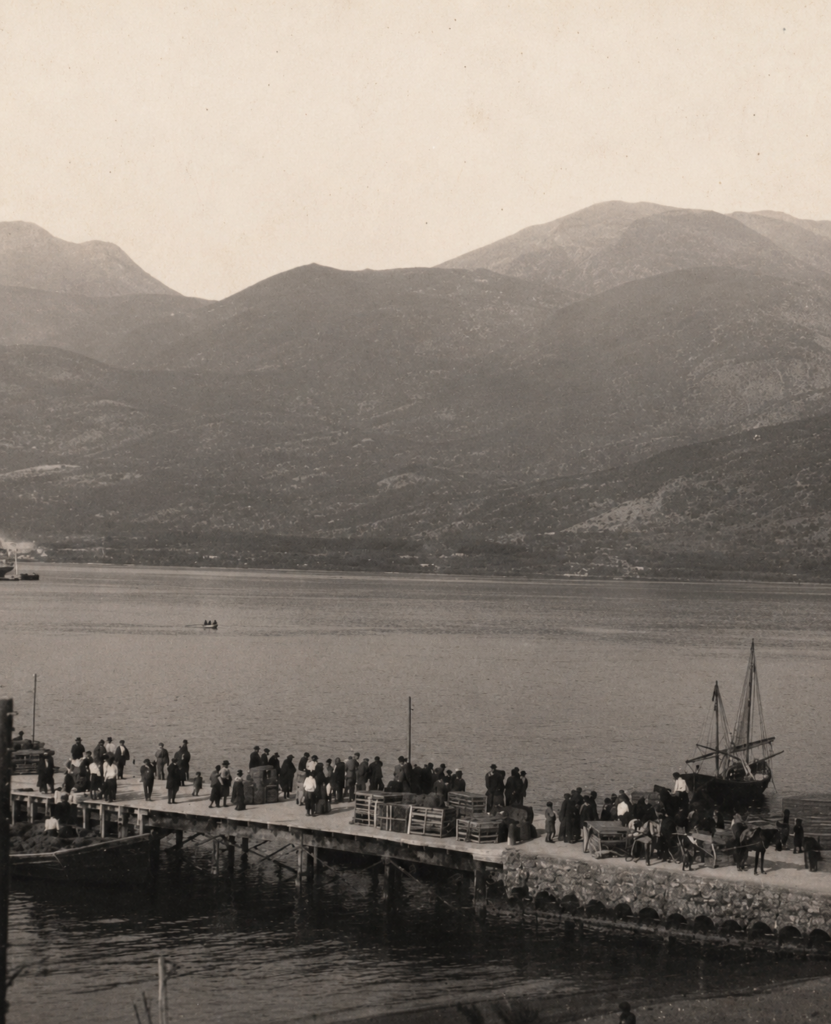
With its fertile and expansive plains, Kilikia contributed to the wider economic system of Bilad al-Sham. It supplied agricultural goods, grain, fruits, oils, and cotton, feeding the markets of Aleppo and supporting both food supply and textile production chains.
In 1923, Kilikia was ceded to Turkey through Western political agreements.
Kilikia stood as a natural corridor, enclosed between the Taurus Mountains and the sea, forming a controlled gateway that naturally connected it to Bilad al-Sham. Historians have long pointed to this interplay of landscape, economy, and unified culture in defining a nation’s role and geography.
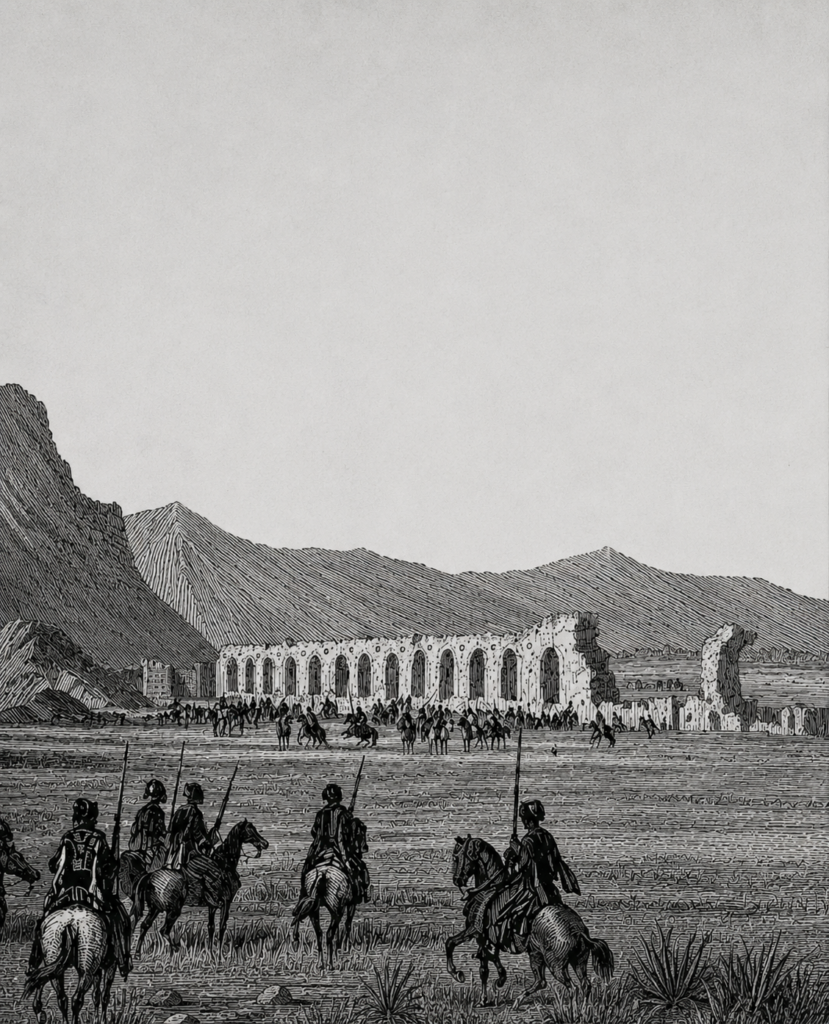
Cities do not always move; sometimes they are moved. They slip, quietly or abruptly, out of their natural landscapes, learning to breathe within new borders.
In that shift, nations do not only lose land. They lose roads, belongings, and paths that once carried grain, stories, and identity between worlds now cut, redirected, or forgotten.